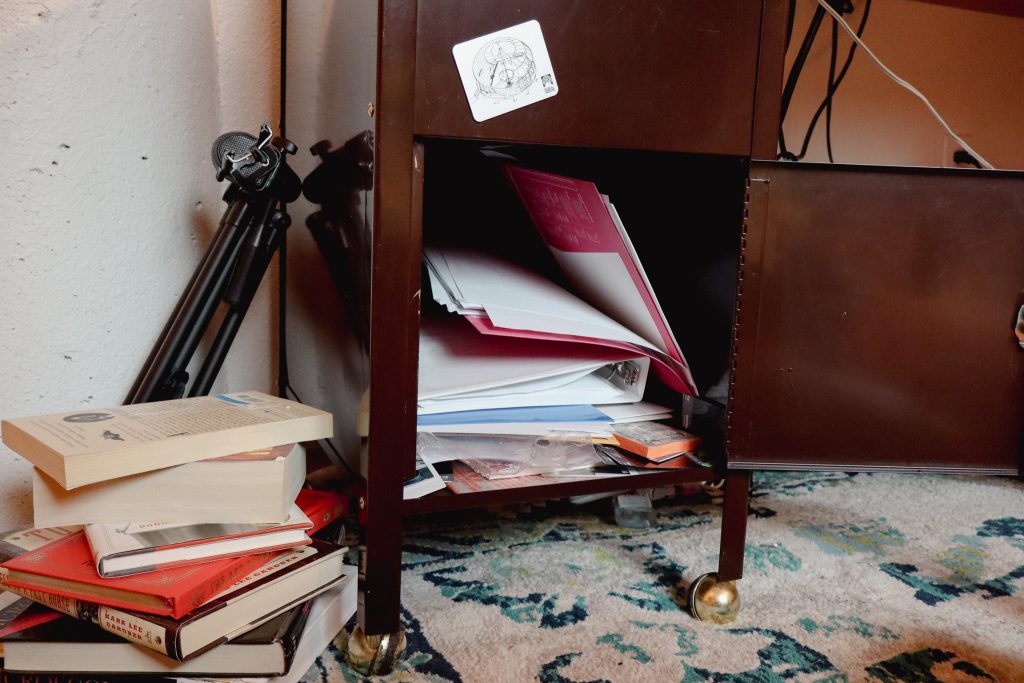

For many households, old tax returns live on for decades, tucked into filing cabinets, boxes, storage bins, or closets long after they are legally useful. Whether driven by caution, confusion, or procrastination, holding onto years of outdated tax documents and personal financial records is not just unnecessary; it is a growing identity theft risk and a common document management mistake.
What We Know About Hoarding Unneeded Tax Records
Long-Term Retention Is the Norm, Not the Exception
Although the IRS publishes clear tax record retention guidelines, consumer behavior routinely diverges from them. Tax software providers, legal research firms, and personal finance experts consistently report that many individuals keep 10+ years of tax records by default.
In fact, a significant percentage of Americans report keeping every return they have ever filed, sometimes spanning decades. This kind of over-retention of tax documents is widespread.
LegalClarity, a widely cited consumer tax law resource, identifies over-retention as a frequent mistake, explaining that taxpayers often keep records “just to be safe,” when ironically it increases financial document security risks.
IRS-focused Q&A platforms document thousands of taxpayers admitting they retain 15+ years of returns, along with boxes of sensitive paperwork dating back to the early 2000s. In some cases, individuals even keep inherited tax records indefinitely due to outdated advice.
Consumer Research Lists Tax Records as a Top Source of Paper Clutter
Consumer Reports and other household organization studies consistently identify tax records as one of the most over kept financial documents in U.S. homes.
Articles addressing paper clutter and home organization frequently point to tax documents as a primary contributor to long-term accumulation. Many people hesitate to discard them because they feel “too important to throw away.”
Professional organizers and document management experts agree that most households retain far more financial paperwork than necessary, with tax records being among the most persistent categories.
What the IRS Actually Requires
The IRS guidance is more specific and more forgiving than many consumers assume.
According to IRS Topic No. 305, individuals should keep tax records only as long as they may be “material” to tax administration. This typically means retaining documents until the IRS statute of limitations expires.
For most taxpayers, that means:
- 3 years: Standard period for accurately filed returns
- 6 years: If income was understated by more than 25%
- 7 years: For worthless securities or bad debt claims
- Indefinitely: Only if a return was not filed or was fraudulent
Property-related records should only be kept until the statute of limitations expires for the year the property is sold, not forever.
Understanding these IRS record retention rules can help reduce unnecessary document storage and lower your risk.
Why Keeping Old Tax Records Is Risky
Paper Records Are Difficult to Secure Long-Term
Unlike digital files, paper tax documents:
- Are not password-protected
- Are often stored in unsecured locations
- Can be lost, damaged, or stolen over time
Basements, attics, storage units, and filing cabinets are not designed for secure document storage. The longer you keep sensitive paperwork, the greater the risk of exposure.
Stored Documents Can Be Accessed by Third Parties
Over time, stored tax records may be exposed to:
- Cleaning services
- Home contractors
- Movers
- Estate cleanout companies
- Storage facility employees
Each interaction increases the risk of data exposure involving Social Security numbers, bank details, and other personal information.
The Risk of Accidental Disposal
Old document piles are more likely to be:
- Thrown away during moves
- Mixed into recycling
- Discarded by well-meaning family members
- Lost among non-sensitive paperwork
Improper disposal is a leading cause of document-related identity theft.
Real-World Identity Theft Risks
Law enforcement and consumer protection agencies have repeatedly documented cases of tax identity theft linked to improperly stored or discarded documents.
- The FBI warns that stolen personal data is frequently used to file fraudulent tax returns.
- The FTC identifies physical documents, like tax records, as a common source of stolen information.
- Legal analyses of dumpster diving show that discarded tax paperwork is often used to access financial accounts.
These are not rare incidents. They are a major reason identity theft prevention remains a national priority.
It’s Time to Declutter and Shred Securely
Experts recommend shredding old tax documents once they are no longer needed, however, safely disposing of years’ worth of records can be overwhelming without the right solution.
Shred Vault Makes Secure Document Destruction Easy
Shred Vault self-service kiosks
For 10 to 100 pounds of documents, Shred Vault kiosks provide a convenient and secure shredding service. Simply purchase a shredding bag, fill it, and deposit it at a kiosk. Each step of the process is verified and insured for complete peace of mind.
Even better, users who download the Shred Vault app may qualify for up to 100 pounds of free shredding services through sponsor programs.
Shred Vault pick-up service
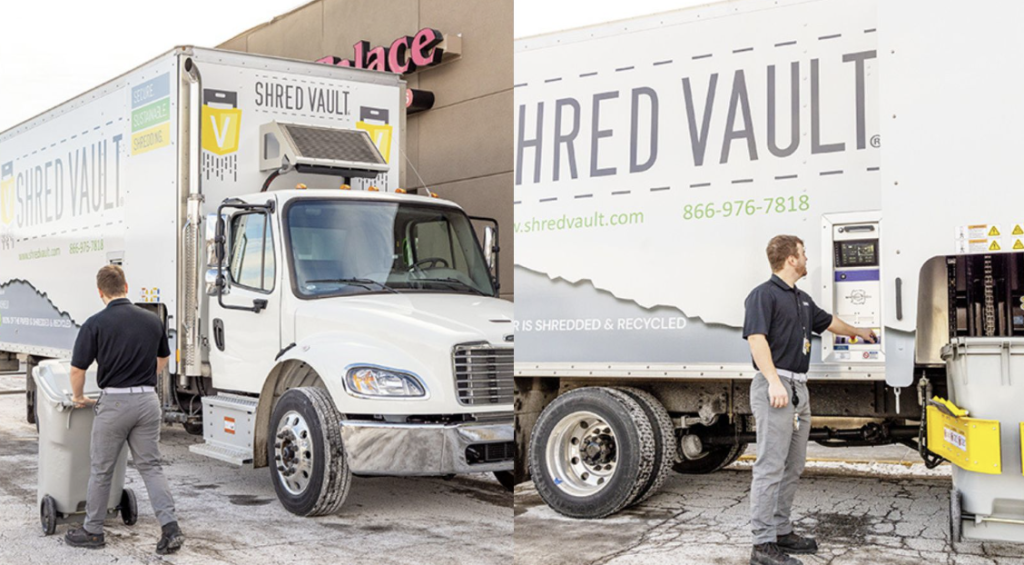
For larger clean-outs exceeding 100 pounds, Shred Vault offers on-site document shredding pickup services. This is ideal for major decluttering projects, estate cleanouts, or business records disposal.
For more information on secure document destruction services, visit the Shred Vault website or call 866-976-7818.
You will be glad you did.
FAQ: Tax Record Retention and Secure Shredding
How long should you keep tax returns according to the IRS?
The IRS recommends keeping tax returns for at least 3 years from the date filed. You may need to keep them for 6 years if income was underreported and 7 years for certain claims. Keep records indefinitely only if you did not file or filed a fraudulent return.
Can I throw away old tax documents?
No, you should not throw away old tax documents in the trash. They contain sensitive information that can lead to identity theft. The safest way to dispose of them is through a secure shredding service that ensures your personal data is fully destroyed.
What is the safest way to dispose of old tax records?
The safest way to dispose of old tax records is by using a professional document shredding service like Shred Vault. This protects sensitive information like Social Security numbers and bank details, reducing the risk of fraud and helping you securely manage financial document disposal.
© 2026 Shred Vault, LLC
“Shred Vault” and associated logos are federally registered trademarks of Shred Vault, LLC and Datashield Corp.