Paper Clutter Isn’t Just Messy. It’s an Identity Theft Risk.
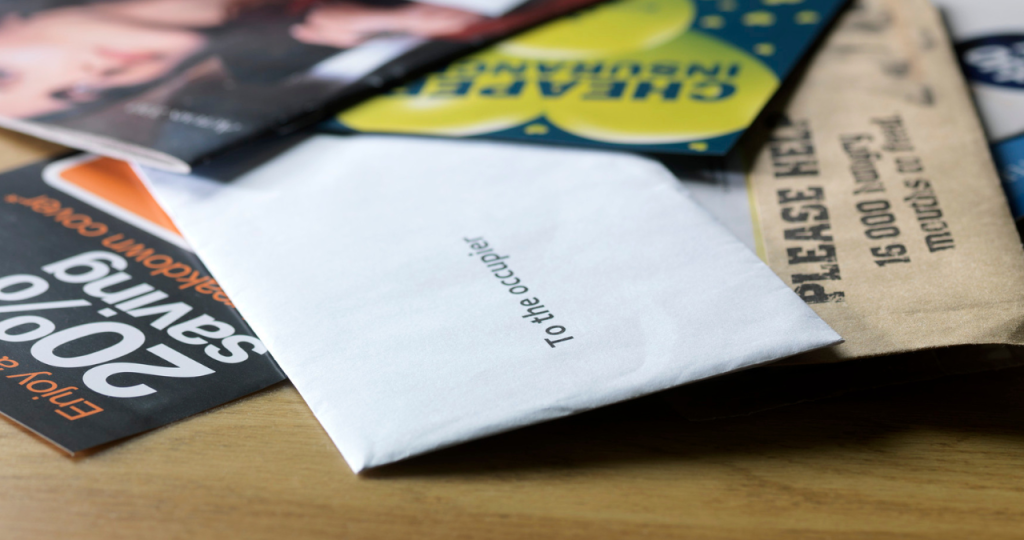
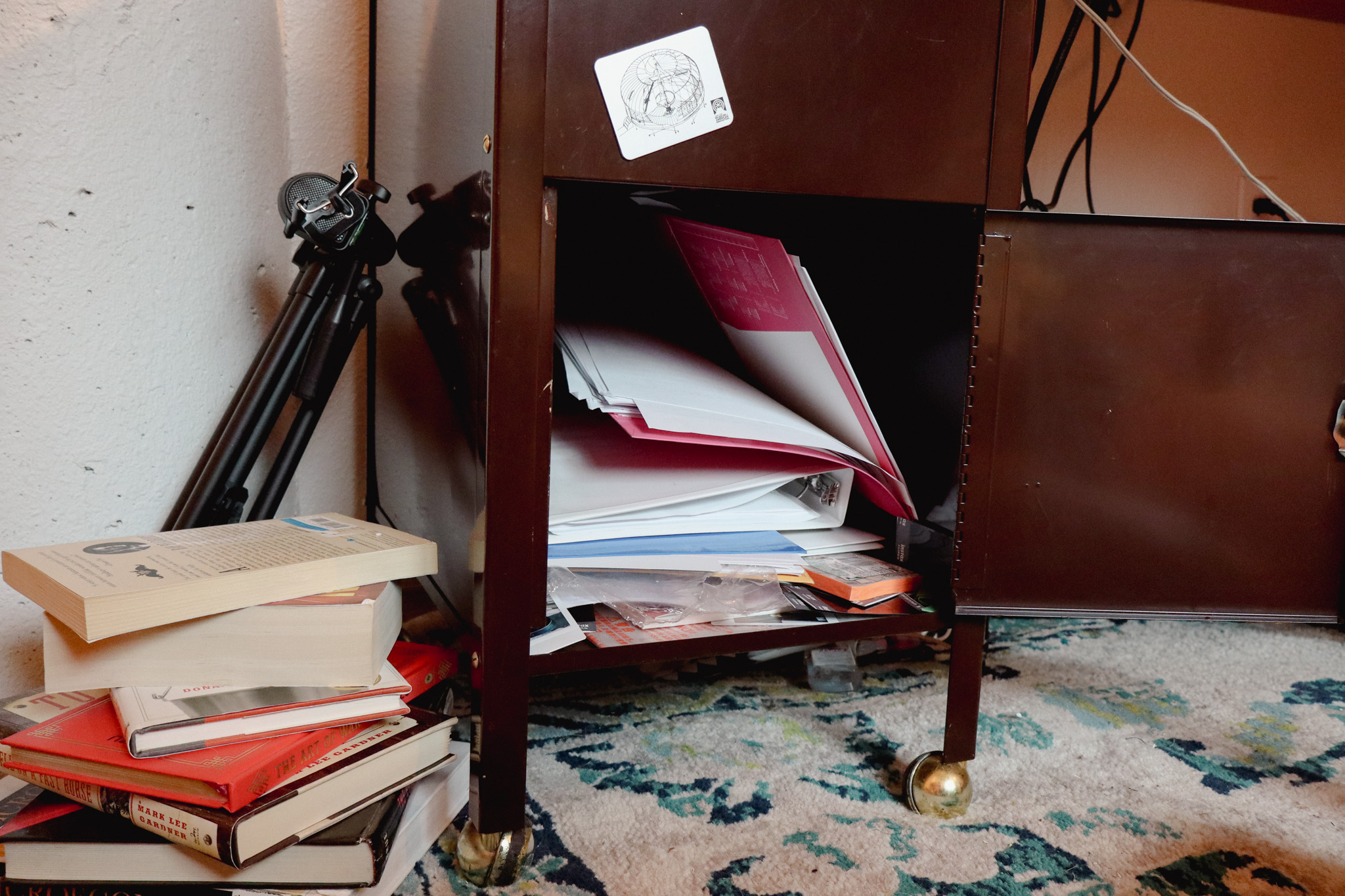
Take a look around your home. There’s a stack of mail on the counter. A folder in a drawer. Maybe a box of old paperwork in the closet.
It may look like harmless clutter. But it isn’t.
That pile of paper could be putting your personal information at risk of identity theft, and most people don’t realize it until something goes wrong.
Why Physical Documents Are a Bigger Identity Theft Risk Than You Think
Most people think identity theft starts online. They worry about passwords and hackers. But many cases begin with something much simpler: paper.
Old bank statements. Medical bills. Credit card offers. Tax records. These documents often contain names, addresses, account numbers, and other sensitive details, exactly the kind of information identity thieves are looking for.
When they build up over time, they become an easy target. Even one document thrown away without being destroyed can be enough for someone to commit fraud.
That’s why security experts continue to warn that improperly discarded paper documents remain a major source of identity theft. Many people simply underestimate the risk because the danger feels invisible.
How Everyday Paper Clutter Turns Into a Real Threat
Paper clutter builds slowly. It starts with good intentions.
- “I’ll deal with this later.”
- “I might need this someday.”
- “It’s just junk mail.”
But over time, those papers pile up, and so does the risk. Here’s how it happens:
- Mail piles become a mix of important and sensitive documents
- Junk drawers hide personal information in plain sight
- Recycling bins can expose documents that were never properly destroyed
Once those papers leave your home intact, you lose control of the information on them. And that’s when problems can begin.
The Real Cost of Holding On to Old Documents
Keeping too many documents doesn’t just create clutter. It creates stress and risk.
When paperwork builds up:
- It becomes harder to find what you actually need
- You may forget what sensitive information you’re storing
- You increase the chance of accidental exposure
In some cases, people don’t realize what they’ve thrown away until it’s too late.
Decluttering isn’t just about making your home look better. It’s about protecting your privacy and eliminating unnecessary risk.
A Simple Way to Take Back Control of Your Personal Information
The good news is you can fix this problem quickly.
Start by creating a simple habit: review, sort, and securely destroy documents on a regular basis.
Ask yourself:
- Do I still need this?
- Does it contain personal information?
- Can I safely eliminate it?
If the answer is yes, don’t just throw it away. Destroy it completely.
That small step can make a big difference.
Clear the Clutter. Eliminate the Identity Theft Risk.
When you clear out old paperwork, you do more than declutter your home. You:
- Eliminate access to your personal information
- Reduce your risk of identity theft
- Create a cleaner, more organized space
- Gain peace of mind
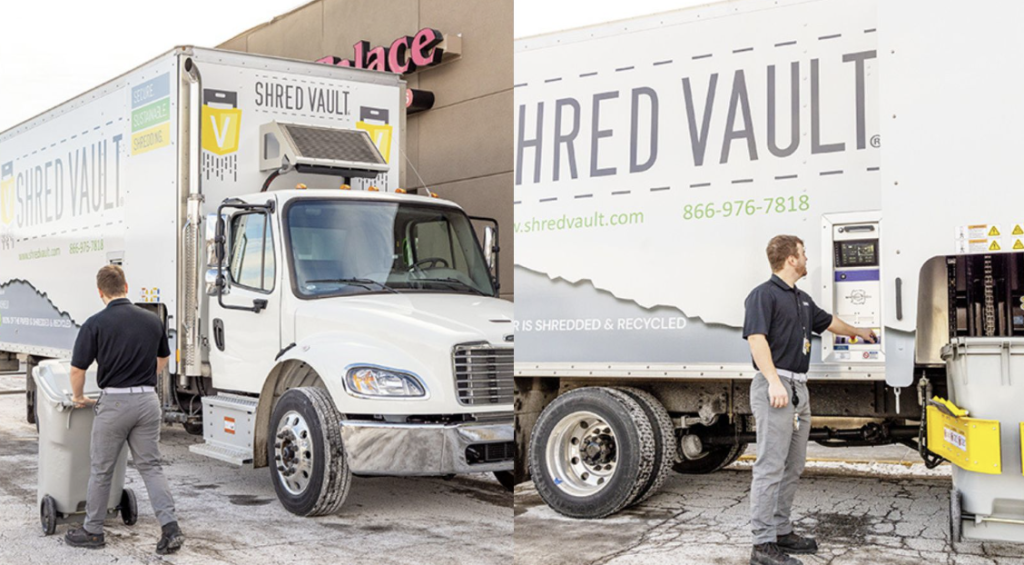
Shred Vault makes secure document destruction simple. Instead of letting documents pile up, or relying on an at-home shredder, you can securely dispose of sensitive papers during your regular shopping trip.
FILL. SEAL. DEPOSIT. Pack your documents into a Shred Vault Bag, seal it, and drop it at a Shred Vault kiosk. Your documents are destroyed completely, and you’ll receive a Certificate of Destruction within 30 days, so you know exactly where things stand.
No hassle. No buildup. Just a clear, secure way to stay protected.
Make Secure Document Shredding a Routine
Paper clutter isn’t going away on its own. But with the right habit, it doesn’t have to build up either.
Take a few minutes each week to:
- Sort your paperwork
- Remove what you don’t need
- Securely destroy anything sensitive
It’s a small action that helps you stay organized, protect your identity, and keep your home clear of unnecessary risk.
Because when it comes to your personal information, what you eliminate today can protect you tomorrow.
Frequently Asked Questions
How does paper clutter lead to identity theft?
Old documents like bank statements, medical bills, and tax records contain personal details that identity thieves can use. When papers pile up or are thrown away without being destroyed, that information is no longer in your control.
What documents should I shred?
Anything with your name, address, account numbers, or other personal details, including bank statements, medical bills, tax records, and credit card offers, should be securely destroyed rather than thrown in the trash or recycling bin.
How is Shred Vault different from an at-home shredder?
Shred Vault lets you securely destroy documents during your regular shopping trip. Fill a Shred Vault Bag, seal it, and deposit it at a kiosk. You’ll receive a Certificate of Destruction, with no shredder, maintenance, or extra trip required.
© 2026 Shred Vault, LLC. – All rights reserved.